
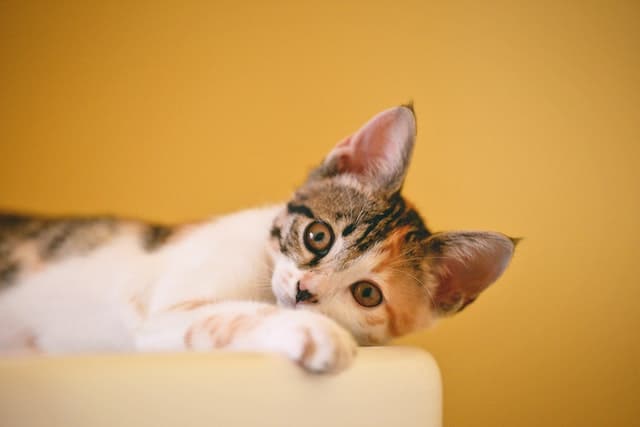
Creating a Safe and Stimulating Environment for Your Indoor Cat
Unlike their outdoor counterparts, indoor cats often rely heavily on their immediate surroundings for entertainment, exercise, and overall well-being. Creating an optimal environment for your indoor cat is essential to ensure they lead a happy, healthy, and enriched life; managing individual needs becomes even more critical for those aiming to keep peace in a multi-cat home. While introducing playful elements is vital, addressing safety concerns is equally crucial. This balance between stimulation and security sets the foundation for a flourishing feline sanctuary indoors.
Tips for Creating a Safe and Stimulating Environment for Your Indoor Cat

Cats display a great variety of reflexes and behaviors that stem from their ancestors in the wild.
Whether indoors or outdoors, cats exhibit a fascinating array of instincts and behaviors that trace back to their wild ancestry. These deeply ingrained behaviors include hunting, climbing, and scratching, all of which serve pivotal roles in their daily lives. Even within the secure confines of our homes, these instincts persist with remarkable vigor. Neglecting or stifling these natural inclinations can have repercussions, from destructive behaviors like scratching furniture to manifesting signs of emotional distress, such as depression or anxiety. Recognizing and embracing these instincts within an indoor environment is pivotal for our feline companions’ overall well-being and contentment.
Understanding and catering to these intrinsic needs, including the importance of cat playtime, is paramount. Playtime keeps them active and sharpens their hunting instincts and cognitive functions. Providing an environment that encourages these behaviors in a safe and controlled manner ensures mental stimulation. Pairing this understanding with safety measures ensures your feline friend remains both engaged and unharmed, promoting holistic well-being. Here are some of the tips for creating a safe and stimulating environment for your indoor cat.
Safe Spaces: Creating Secure Zones
Every cat cherishes a space to call its own. These personal havens offer respite, security, and an area to unwind. Moreover, having a dedicated space helps reduce stress and anxiety in cats. When setting up cat beds or perches, choose quiet corners away from high-traffic areas. Elevated perches or hideaways allow cats to survey their territory, instilling confidence. For those cozy hideaways, consider spaces low to the ground or even enclosed beds, giving them a sense of protection.
Claw Control: Investing in Scratching Posts
Scratching isn’t just a caprice for cats; it’s a necessity. This behavior helps them shed old nail sheaths, stretch their muscles, and mark their territory. Without a proper outlet, your furniture might become the next target. To prevent this, prepare it for the unit by packing your furniture for storage or putting it away so the cat doesn’t scratch. Furthermore, position scratching posts near their resting areas or close to furniture they might be tempted to scratch. When choosing a post, ensure it’s tall enough for your cat to stretch and sturdy enough not to topple over fully.
Interactive Play: Toys and Activities

Toys are more than just entertainment.
Toys serve as more than mere playthings. They counteract boredom and provide mental and physical exercise. Interactive toys, especially those that mimic prey, can enthrall cats for hours. From laser pointers to feather wands, there’s no shortage of options. For those on a budget, DIY toys like crumpled paper or homemade string toys can be just as engaging. Rotate between store-bought and DIY toys to keep things fresh.
A Room with a View: Window Perches
For an indoor cat, a window is a portal to the outside world. They adore watching birds and people or just basking in the sun’s rays. Offering a window perch satisfies their curiosity and gives them a sunny spot for Vitamin D. Ensure the perch is sturdy and positioned safely. Adding a bird feeder outside the window can elevate the entertainment quotient, turning it into a cat’s TV.
Feeding Fun: Using Puzzle Feeders

No need for mealtime to be a boring ritual.
Mealtimes don’t have to be a mundane routine. Consider incorporating puzzle feeders into your cat’s feeding regimen, transforming it into an engaging and mentally stimulating activity. These innovative devices challenge your cat’s wits and agility, making them work for their meal. This not only slows their eating, aids digestion, and reduces the risk of overeating but also satiates their natural hunting instincts. With an array of options available, from ball feeders to intricate maze designs, you can tailor the puzzle feeder to your cat’s skill level. Starting simple and gradually introducing more complex ones as they become more adept, turning every meal into a delightful brain-teasing adventure.
Plant Safety: Non-Toxic Plants and Greens
Plants add vibrancy to homes, but not all are feline-friendly. Some common plants, like lilies or poinsettias, are toxic to cats. It’s essential to research before introducing any new plant. On the brighter side, cat-safe plants like cat grass or catnip add greenery and serve as a snack or plaything. Strategically placing these plants can enhance your cat’s environment, ensuring safety and stimulation.
Engaging the Senses: Sounds and Scents
While vision and touch are often catered to, we mustn’t forget the other senses. Cats, intrigued by various sounds, might enjoy soft music, bird chirping sounds, or even specific cat TV channels. However, when it comes to scents, tread lightly. Feline noses are sensitive. While some might enjoy a diffused catnip aroma, always ensure the scent is cat-safe and introduced gradually. Watch for any signs of aversion and adjust accordingly.
Keeping Things Fresh: Rotating Toys and Activities
Variety, as they say, is the spice of life, and this saying holds true for cats as well. Repeatedly playing with the same toys can lead to disinterest. To truly pamper your cat, rotating toys and activities is crucial. This doesn’t mean constantly purchasing new items. Instead, store away certain toys and reintroduce them after a few weeks. The familiar yet “new” toy will reignite their interest, ensuring a constantly stimulated and happy cat.
Conclusion
In crafting the ideal environment for your indoor cat, balancing safety and stimulation emerges as the cornerstone. From providing secure zones and interactive toys to introducing non-toxic plants and engaging their senses, each step adds to their well-being. However, every cat is unique, and observation is key. By closely watching your feline friend’s preferences and behaviors, adjustments can be made to refine their environment further, ensuring a contented and thriving indoor life.